
The Elements of Chinese Medicine
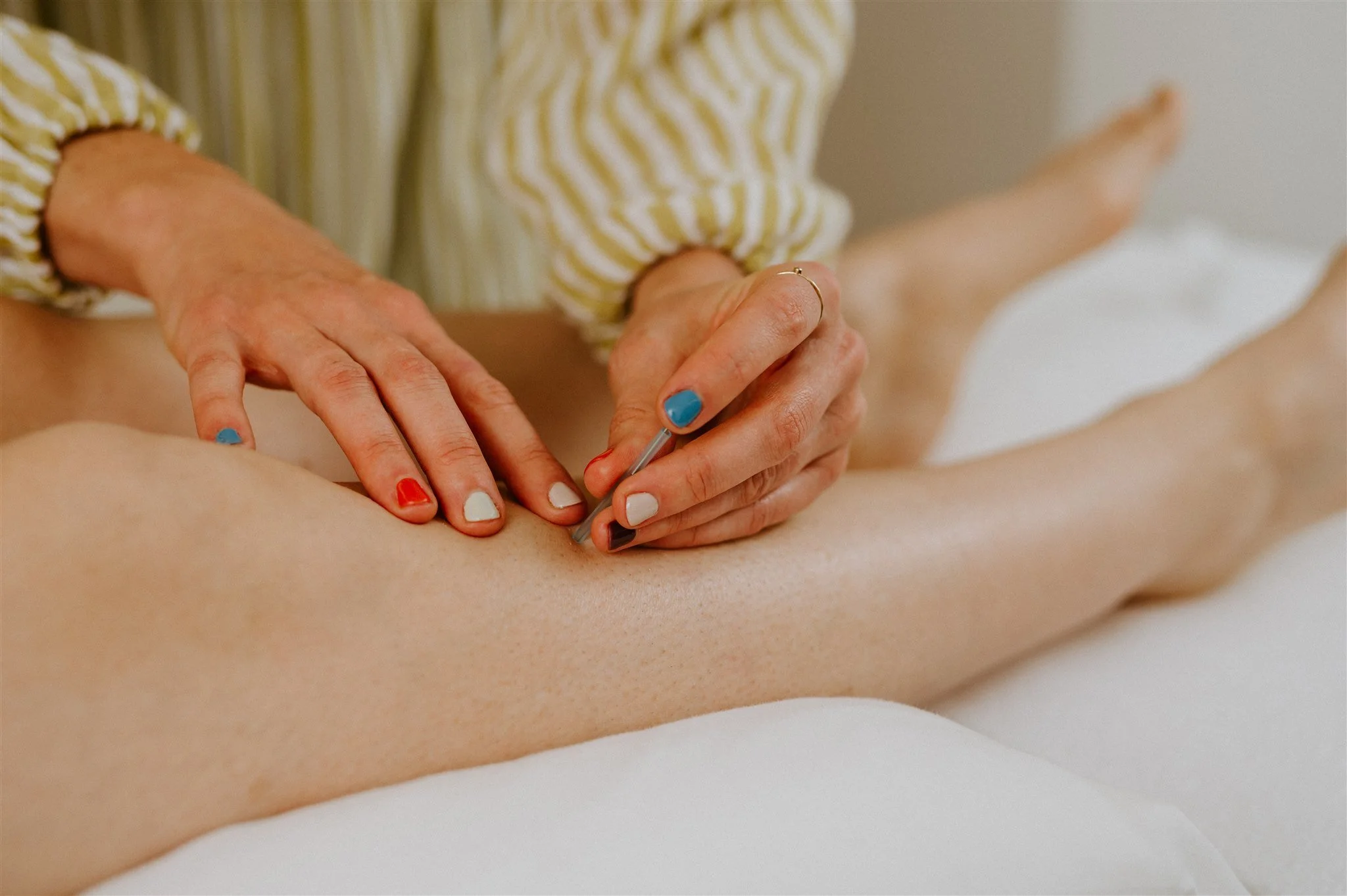
Acupuncture
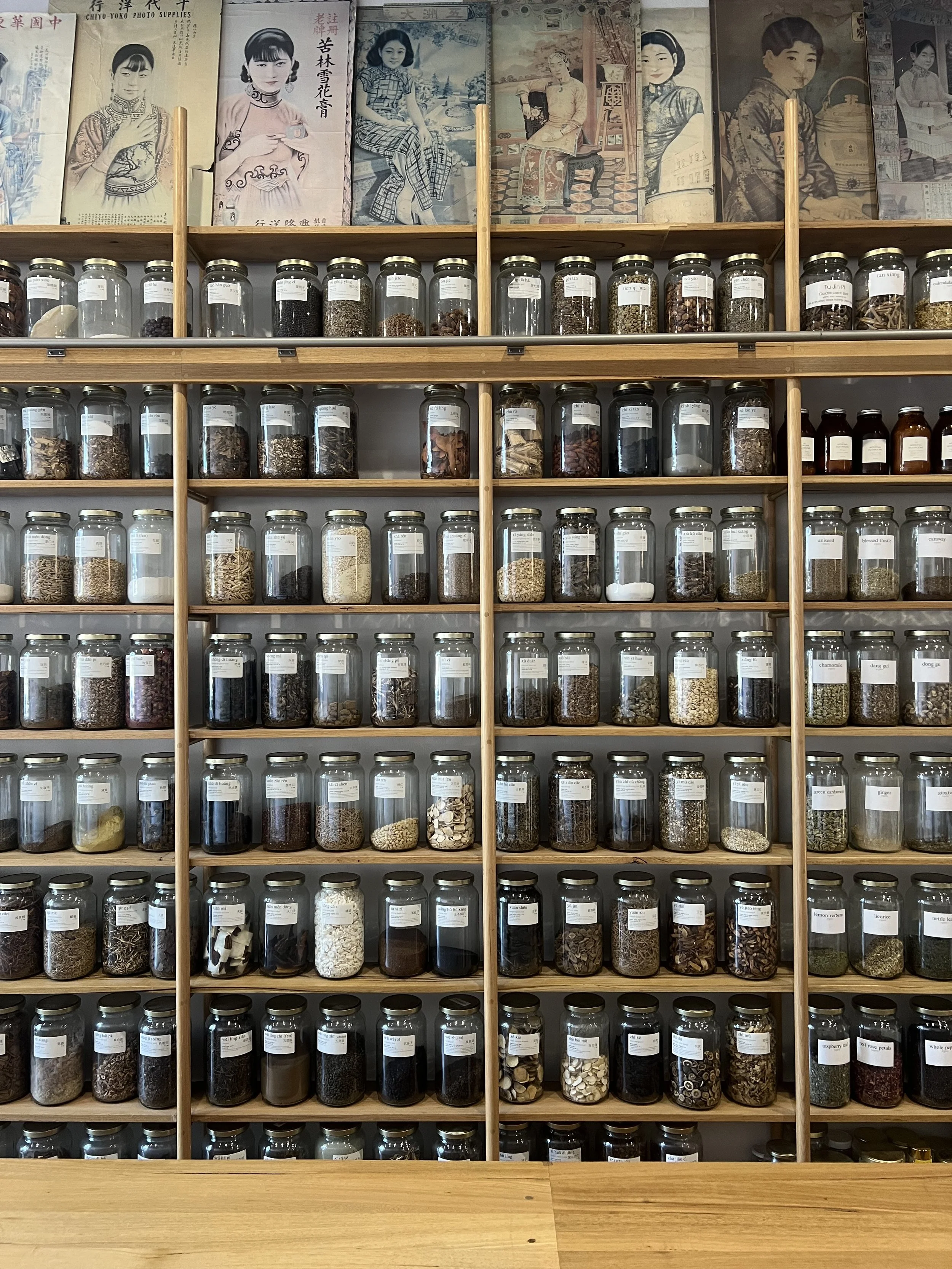
Herbs
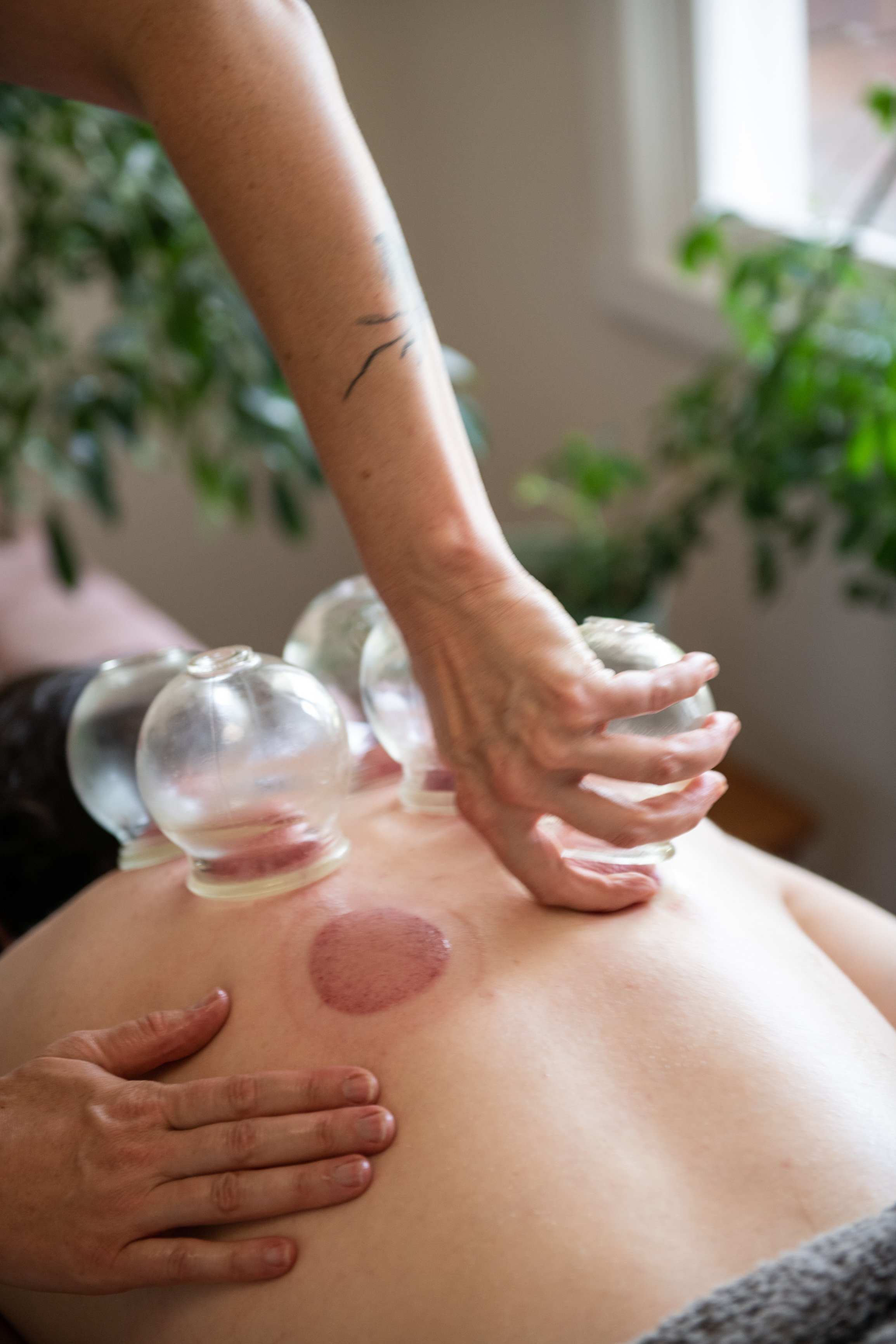
Cupping

Gua Sha
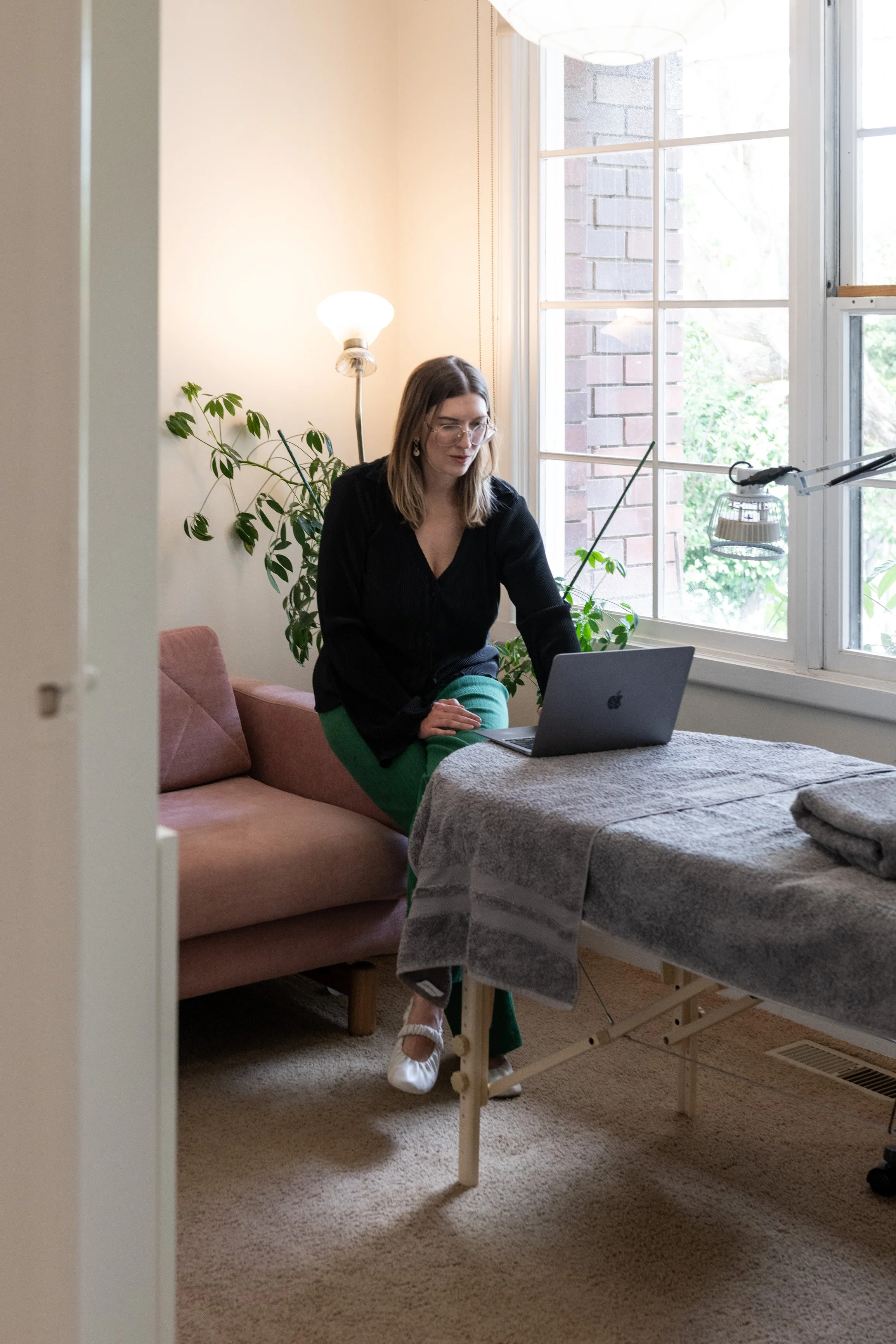
Blood Test Analysis
Diet & Lifestyle
Moxibustion
Self Cultivation
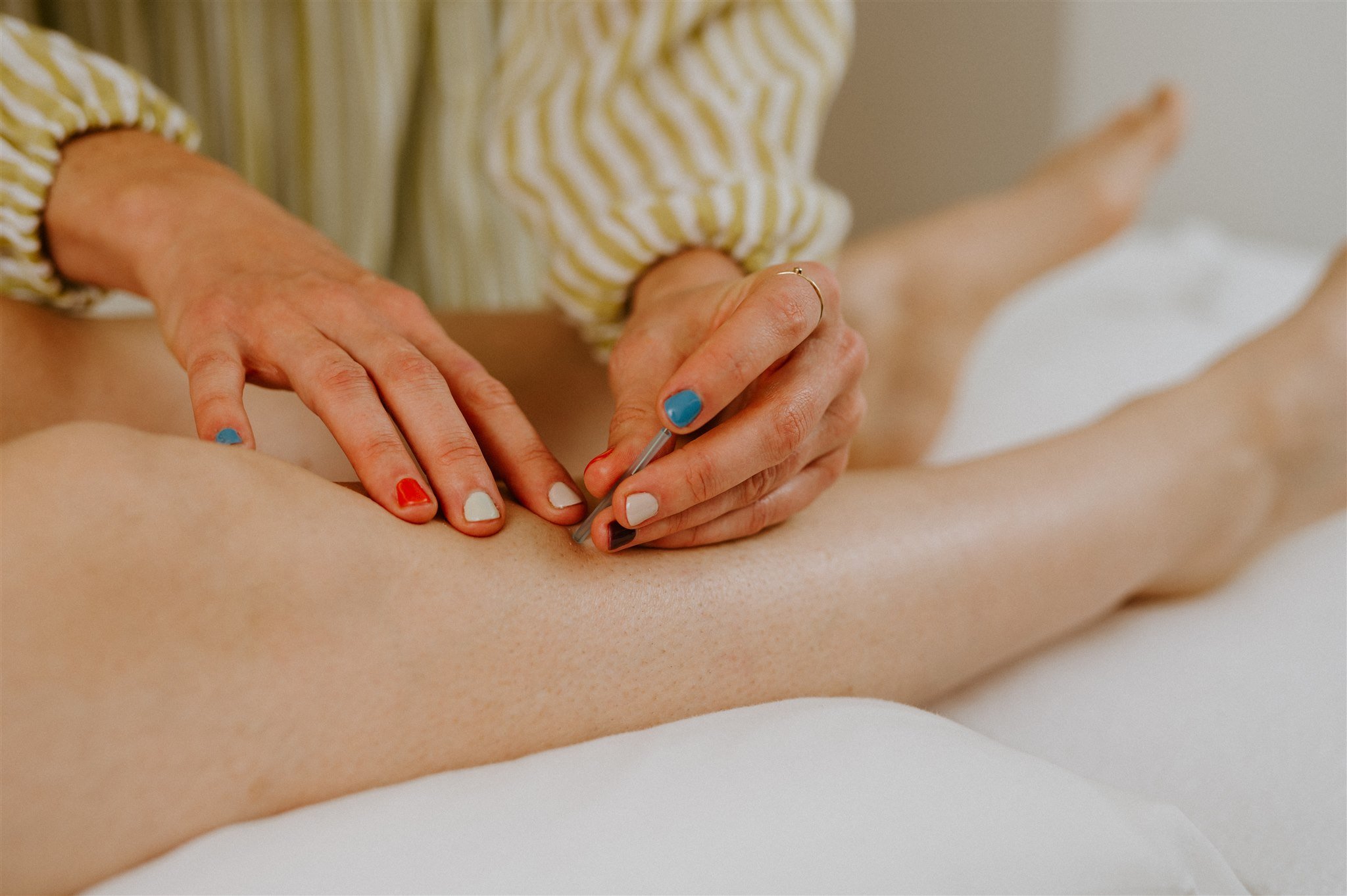
The boring answer to “what is acupuncture” is that very fine needles, barely wider than a hair are inserted into specific points on the body.
The fascinating answer is that when performed by a degree qualified Chinese medicine doctor, you are receiving potent medicine based off Chinese medicine principles. Points are selected in line with your TCM diagnosis and are on what is referred to as channels or meridians. Simply put, channels are like the nervous system or the circulatory system. They are like threads running through the body, mostly from top to bottom.
While Chinese medicine acupuncture (as opposed to dry needling) can seem mysterious, it’s simply another way of viewing the body and like any other medical field, we are working towards your health goal. Formal training takes 3-5 years at a university level, but practitioners tend to spend years refining their craft.
Acupuncture
There are hundreds of herbs within the Chinese herbal materia medica. Most are sticks, leaves, roots and fruits, but don’t let that trick you into thinking that they are mild or ineffective. The study of herbal medicine is incredibly intricate and detailed and prescribing when done by a skilled registered herbalist, should be personalised to your needs.
At Nice Health, we typically prescribe raw herbal powders that should be taken twice daily when in an active treatment plan. Occasionally we lean on pre-made pills for ease or when patients find the taste too icky.
Caz’s herbal mentor famously used to warn patients of the taste in advertising materials, via reception when bookings were made and then again at the conclusion of their appointment, just to get them geared up. Don’t worry, you’ll get used to them.
Herbs are almost never prescribed as a single herb, but as a formula of 5-10ish herbs. Treatment times vary, depending on your condition, and it is expected that your formula would change as shifts occur.
Chinese Herbal Medicine
We’ve all seen cupping marks in the media these days. Fun fact - they’re NOT bruises, but the result of the skin being sucked up into the cup.
Similar to acupuncture, cups are placed on specific locations and can be used for musculoskeletal conditions like tight muscles, OR to support internal medicine conditions.
They’re primarily placed on the back, but can be used over the abdomen for digestive concerns and period pain (not usually during active period pain) or the glutes, upper and lower leg for tight muscles.
We have a preference for using glass “fire” cups as opposed to suction cups for the control and magic of them.
Having cupping done, feels a little like having a massage. When done right, you can feel your whole chest opening up, like a weight has been lifted off your shoulders.
We now offer cupping only appointments if you’re short on time or just a little tlc.
Cupping
Similar to cupping, gua sha is a unique bodywork practice from Chinese medicine.
Recently gua sha has gained TikTok and internet fame as facial gua sha where a smooth shaped stone is used gently over areas of the face, head, neck and chest to impact the facial tissue. While this is a beautiful practice, take care to seek out videos from Chinese medicine practitioners, as their training and skill level will likely give more value.
That said, gua sha is ALSO used for the body as a medical tool and to relieve tight tissues. We LOVE it for tight neck and shoulders and for releasing heat from the body.
Like cupping, it often (but not always) leaves reddish marks behind. This is not bruising, but petechiae and it is not a mistake, but an expected result of the treatment method. The marks usually go away within a few days and you might have some people looking quizzically at your neck if it’s visible. As much as we love it, you might want to avoid this treatment method if you have a formal event in the next 10 days.
Gua Sha
In line with your healthcare goals, we offer pathology review of current blood tests and will make recommendation where relevant. This is of significant importance for fertility or hormonal health patients.
We review bloods from a functional lens, meaning that we’re looking for results in tip-top shape, not simply “within range.” Typically speaking, the range you see on your blood test results is referred to as “healthy,” but all that means is “not sick.” In a lot of cases, people might feel awful and be told their blood tests are healthy, leaving patients feeling misunderstood and hopeless.
When we use the “optimal” range when analysing blood tests, it means we’re going over your results with a fine tooth comb to find any gaps that could explain WHY you feel like you do OR to simply keep you feeling excellent. Does it mean that everything needs to be perfect always and that you need to take a thousand supplements? No. Any application of treatment is recommended in alignment with your goals and should be targeted.
While this is not a classical application of Chinese medicine (there was no Clinical Labs in 475 BC), there are now methods of incorporating pathology analysis into Chinese medicine practice without overriding the intention of the medicine.
Blood Test Analysis
Chinese medicine is a full system of medicine, meaning that treatment includes what we do in the room (acupuncture, herbs etc) and then what you do at home. This can make all the difference to treatment outcomes.
This might include dietary shifts or more involved insights specific to your schedule.
As a general rule, when patients ask “what else can I do,” the answer is always the same: Food Sleep Water Movement
Eat a nourishing diet, aiming for 20-30g of protein with each meal and plenty of veg. This is particularly important when pregnancy and breastfeeding.
Focus on sleep hygiene as best you can. The hours before midnight apply doubly, so try to be in bed by 10pm.
Aim for 2-3L of water - room temperature or warm. IF your thirst is lacking, don’t force yourself, we will aim to improve desire for water with treatment.
It is important to move our bodies in order to keep the Qi and Blood moving with movement/exercise that brings you JOY.
Dietary & Lifestyle Recommendations
Consider this the gentle, inner work.
Self cultivation is theoretically the first work that we should all be doing. I will qualify that by saying respectfully that a lot don’t, because the world doesn’t entirely support a slow and mindful practice.
Self cultivation is inner work such as meditation, qi gong or tai chi, yoga - consider this the quiet time where you not only slow down (scrolling is not self cultivation), but slow down in order to build.
Build what? From a Chinese medicine perspective, we describe it as building or cultivation of Qi and while it’s been ingrained in Chinese medicine practices from thousands of years, today it is of utmost importance due to the constant barrage of information and responsibility
If you find yourself saying, “I don’t have time to sit down” or “when I stop, I collapse,” then I want to gently say that it is of utmost importance to find space for self cultivation.
Does it have to be a meditation course or take 40 minutes out of your day? No. Self cultivation can also be found in the boring moments of doing things.
Taking a breath and softening your knees, slightly closing your eyes as you stir your risotto.
Closing your eyes, softening your knees and focusing on your breath as you fill your car with petrol. Easily a couple of minutes.
Doing 10 intentional and slow spinal rolls in the morning OR ANY time during the day; rolling down vertebra by vertebra.
Lying down with a pillow under your head and another under your knees. Put a timer on for 5 minutes and simply rest. It doesn’t have to meditation, you can be thinking about your next move. You are simply resting.
But it can also be an organised practice as mentioned above. There are seasons in your life where 20 minutes of Qi Gong is simply not accessible, however, I would forever have you do a check to see if there’s no space or if you’re not prioritising space.
Being so for real, sometimes there truly is no space.
Self Cultivation
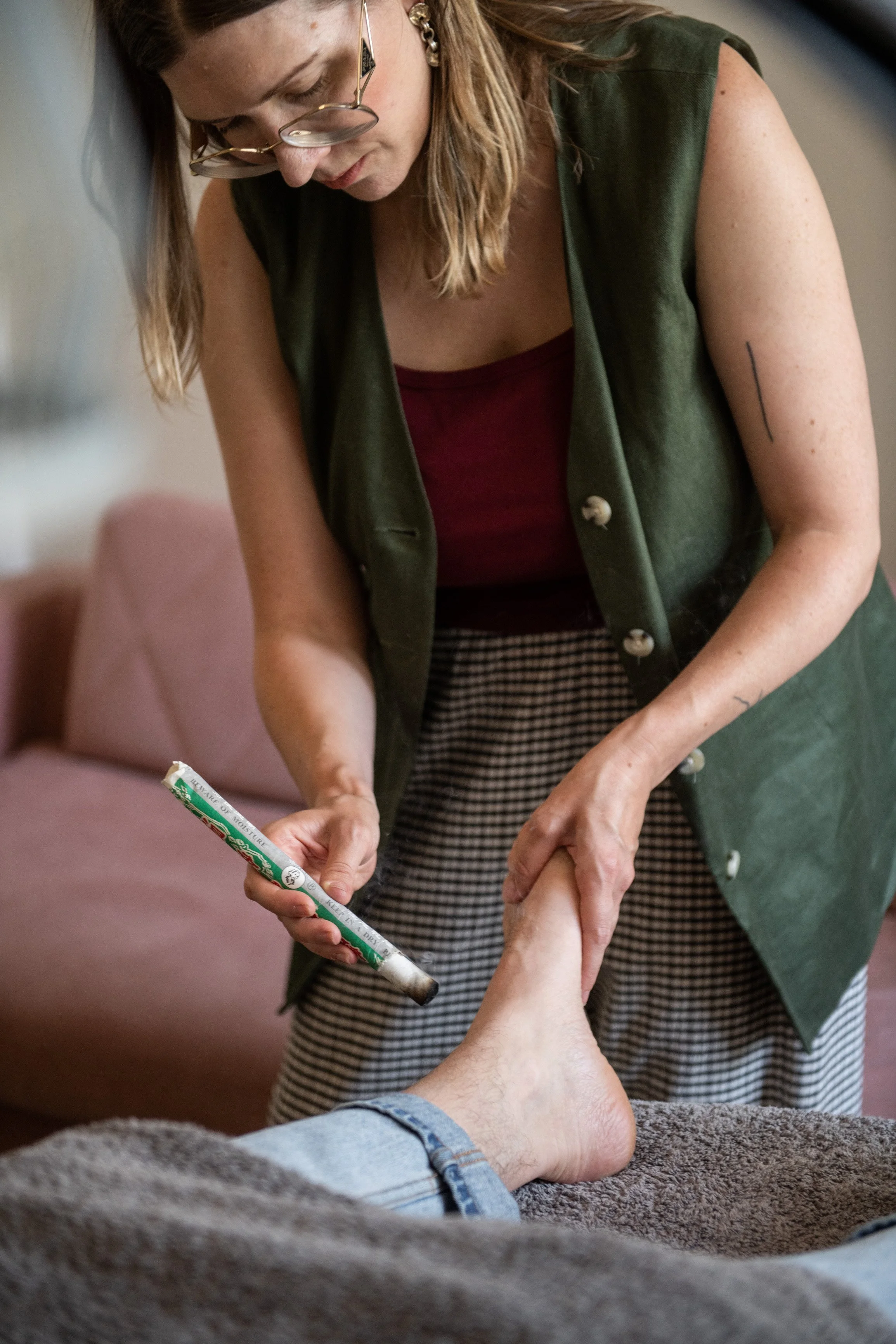
Moxa smells like a cross between a cigar and a jazzy cigarette on a bad day, or a musky incense on a good day. It is a type of heat therapy that comes in the shape of a stick (as pictured), in platforms that are safely placed on the skin or in what is referred to as “punk” and looks like yellow cotton wool.
It is processed Ai Ye (mugwort).
It is used to stimulate acupuncture points, invigorate blood and to gently warm or strongly heat the channel.
Moxa is used:
Rather famously to help move a breech baby (a little bit magic),
Tend to injuries (my broke leg saw a lot of moxa punk in 2025)
To support early pregnancy
In period/pelvic pain management
Postpartum Qi and Blood nourishment
Managing digestive complaints
And so much more.
Is it ALWAYS used in the above instances? No. Some practitioners lean heavily on its use, others not so much.
Moxa’s inclusion as one of the core modalities under the Chinese medicine umbrella highlights the importance of WARMTH to our body.
Other ways to keep the fire burning is to dress appropriately for the weather, keep your feet warm in shoes and sock and for the love of god, don’t go barefoot on cold tiles and floorboards, even in summer. A bit of grounding on earth, sand and grass is nice, but cold cold floors on the soles of your feet are a Chinese medicine no-no.